jaenDiscover ✦ Explore ✦ Protect
Ghale Treks | Adventure Travel DMC - ESTD. in 2000

Login

Login

Discover ✦ Explore ✦ Protect
Ghale Treks | Adventure Travel DMC - ESTD. in 2000
jaen

Login

Unforgettable Himlung Himal Expedition (7126m): 32 Days of Adventure, Discovery & Himalayan Glory

(1 Review)
Private Adventure
From$15,500$15,000
Private Adventure
From$15,500$15,000
Booking Form
Enquiry Form
Full Name*
Email Address*
Your Enquiry*
* I agree with Terms of Service and Privacy Statement.
Please agree to all the terms and conditions before proceeding to the next step
Available: 24 seats
* Please select all required fields to proceed to the next step.

Proceed Booking

Save To Wish List

Adding item to wishlist requires an account

322

Book With Confidence

  • Best Deals and Discounts
  • Support Available 24/7
  • Curated Travel Experiences
  • Commitment to Responsible Travel

Get in Touch

We’re here to help! Contact us today to speak with one of our expert travel consultants.
+977.1.4520.914

info@ghalegroup.com

31 Nights 32 Days
Availability : 01 Jan - 31 Dec
Kathmandu, Nepal
Himlung Himal, Nepal
Min Age : 18+
Max People : 24
Trip Overview

Departure & Return Location

Kathmandu, Nepal

Tour Type

Private Tour

Price Includes

  • Arrival and departure transfers between the airport and hotel in Kathmandu will be provided by a private vehicle, ensuring smooth travel at the start and end of your trip.
  • Hotel accommodation in Kathmandu for four nights in a 5-star hotel on a single room basis with breakfast included, giving you a comfortable stay before heading into the mountains.
  • A farewell Dinner will be arranged at a tourist-standard restaurant in Kathmandu, allowing you to experience Nepali cuisine and meet the staff.
  • Necessary permits such as the Royalty and permit fee from the Nepal Government for Himlung Himal, conservation area entry permits, and related fees are included.
  • A Restricted Area Permit fee is covered, enabling access to restricted zones during the trek.
  • A Liaison Officer with full equipment, salary, and accommodation will accompany the expedition to coordinate logistics and procedures.
  • Garbage management fees are included to ensure proper disposal and environmental responsibility.
  • Medical and emergency rescue insurance for Nepalese staff involved during the trek and expedition is covered for safety.
  • A trekking and expedition map will be provided to assist navigation.
  • Each participant receives a Duffle Bag for carrying gear.
  • Transportation from Kathmandu to Besi Shashar Koto and back via tourist jeep is included, following the itinerary.
  • Transportation of expedition stuffs and equipment from Kathmandu to Koto and to base camp (by jeep, porters, or mules) is arranged, with variations based on conditions.
  • Luggage allowance is set at up to 60 kg per member, carried by porters or mules during the trek.
  • Food and lodging during the trek include three meals daily, with hot beverages, served hygienically at hotels, lodges, or tea houses in shared rooms
  • At base camp, full-board support is provided, including three meals daily, a comfortable tent, and fresh, hygienic food.
  • Porters will carry personal belongings up to the base camp and back.
  • All logistical arrangements for camping during the trek are included, ensuring proper setup and facilities.
  • Base camp staff such as experienced cooks and helpers are part of the team.
  • The staff salary and allowances, including wages, equipment, and clothing, are covered.
  • Each participant will be provided with a personal tent at base camp, along with necessary equipment like foam mattresses and pillows.
  • Base camp facilities include tents for dining, cooking, communication, toilets, showers, and staff accommodation, along with all necessary cooking gear.
  • A heater will be available at base camp and other key locations.
  • Solar panels and generators will provide lighting and power for electronic devices at base camp.
  • Training on oxygen usage, masks, regulators, ice wall techniques, and gear is included, conducted by an experienced Sherpa.
  • Each member is assigned a high-altitude climbing Sherpa to assist from base camp to summit and back (one Sherpa per member).
  • Climbing Sherpas will assist in carrying gear to high camps, ensuring safety and efficiency.
  • Their salary, equipment, food, and clothing are included in the package.
  • Bonuses for Sherpas and route fixing are provided to facilitate climbing logistics.
  • Back-up oxygen cylinders, masks, and regulators are available at additional cost, for safety.
  • High camp infrastructure includes tents, gas, cooking gear, and provisions for members and Sherpas during the ascent.
  • In high camps, members will share tents (two per tent).
  • A team of Sherpas will handle rope fixing and route setup at high altitudes.
  • An emergency satellite phone is available for communication, carried by Sherpas and for members at an additional charge.
  • Walkie-talkies enable communication between base camp and mountain camps.
  • Necessary permits for communication devices are included.
  • Weather forecasts will be provided throughout the expedition to assist planning.
  • A comprehensive medical kit is available for members and staff to handle health issues.
  • A comprehensive medical kit is available for members and staff to handle health issues.

Price Excludes

  • The cost of international airfare to and from Kathmandu is not included and must be arranged separately.
  • The Nepal entry visa fee of $125 USD for 90 days is not covered and must be obtained prior to travel.
  • Lunch and dinner in Kathmandu during the stay or if returning early from the trek are not included.
  • Additional nights in Kathmandu due to early arrival, late departure, flight cancellations, or other reasons are not covered.
  • Travel insurance, including medical, high-altitude evacuation, trip cancellation, and repatriation, is mandatory but not included.
  • Personal expenses such as telephone calls, internet, toiletries, battery recharges, laundry, soft drinks, alcohol, and other personal items are not covered.
  • Personal climbing gear like clothing, backpacks, personal medical kits, and specialized equipment are the responsibility of each participant.
  • Toiletries such as soaps, shampoos, and toilet paper are not provided.
  • Filming, camera, and drone permits are not included and may require additional fees.
  • Internet service during the trek and expedition is not included.
  • A summit bonus for Sherpas (minimum $800 USD) is not covered and should be arranged separately.
  • Tips for porters (recommended $100 USD per porter) and staff (minimum $400 USD) are not included but expected.
  • Any additional services or activities not mentioned in the itinerary or included in the package are not covered.

Cancellation policy

  • More than 60 days before departure: Full refund minus a processing fee.
  • 30 to 60 days before departure: 50% of the trip cost will be refunded.
  • 7 to 29 days before departure: 25% of the trip cost will be refunded.
  • Less than 7 days before departure: No refund will be issued.
What to Expect

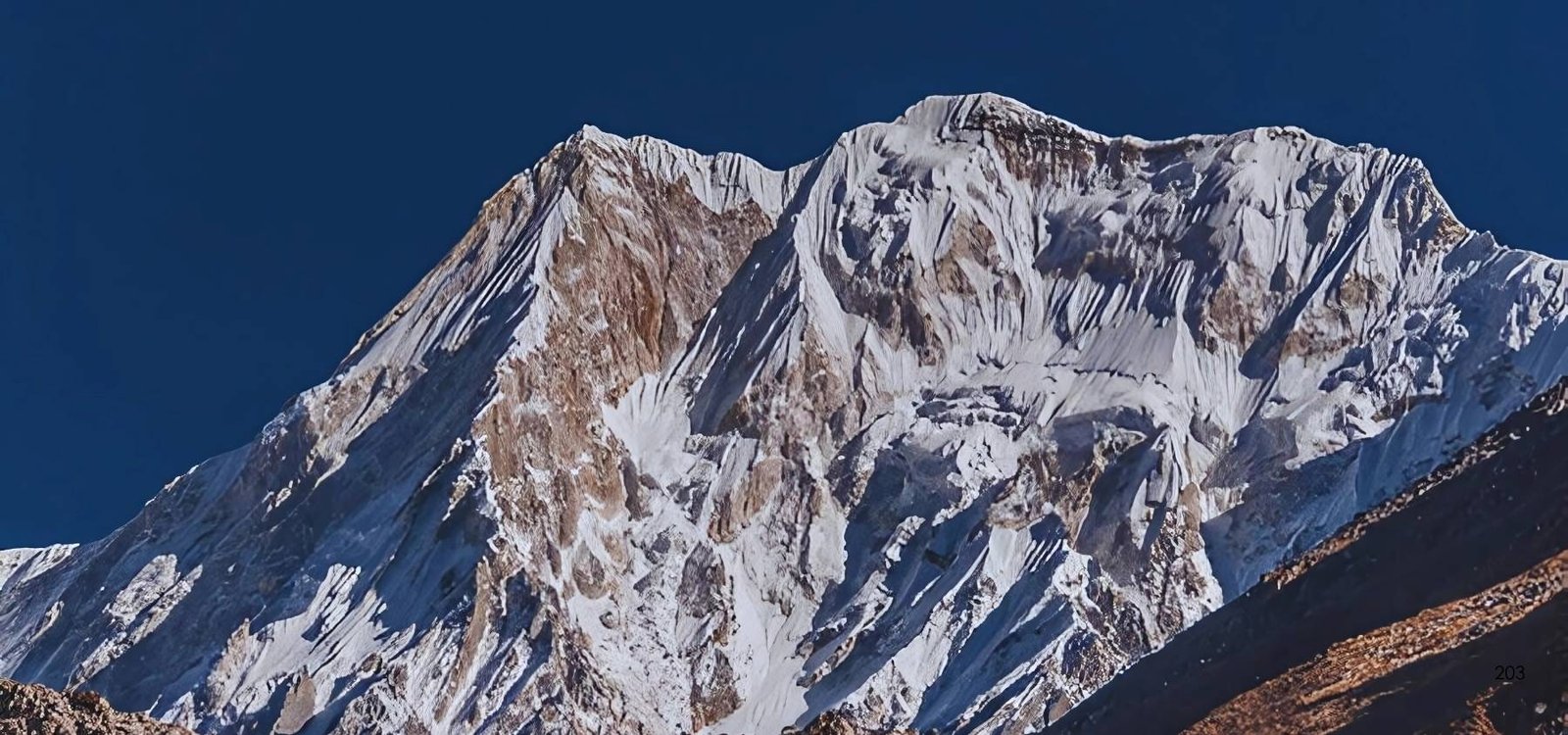
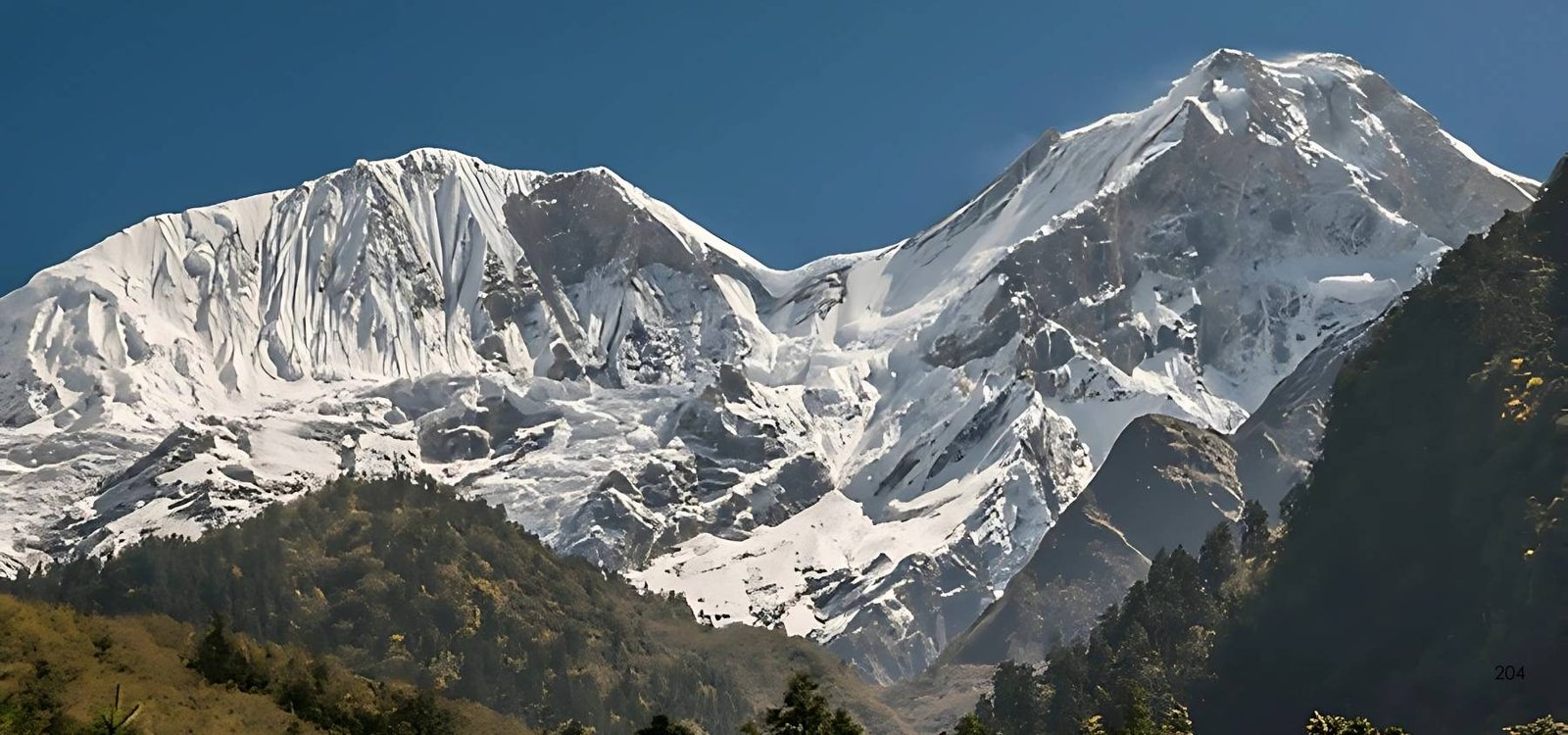
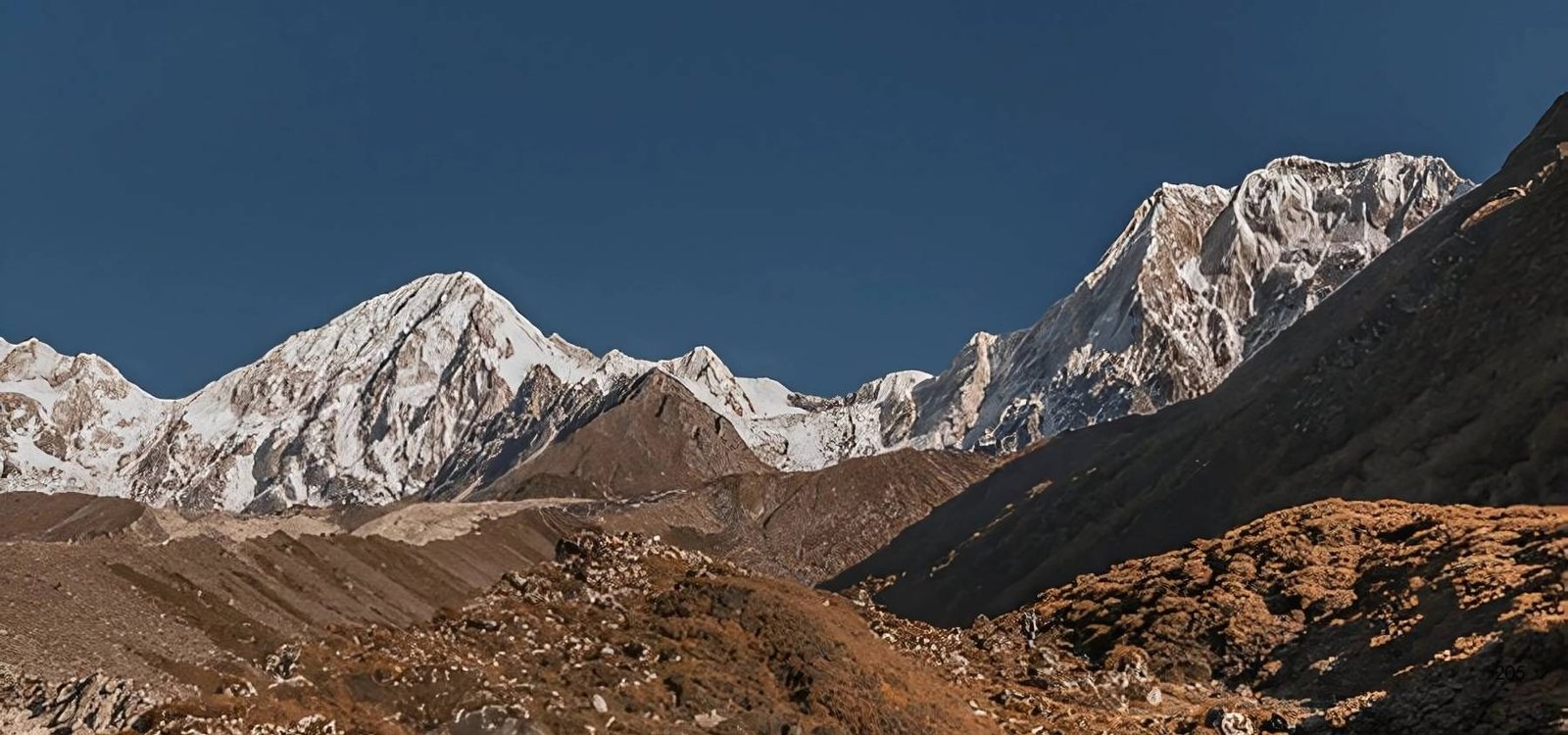
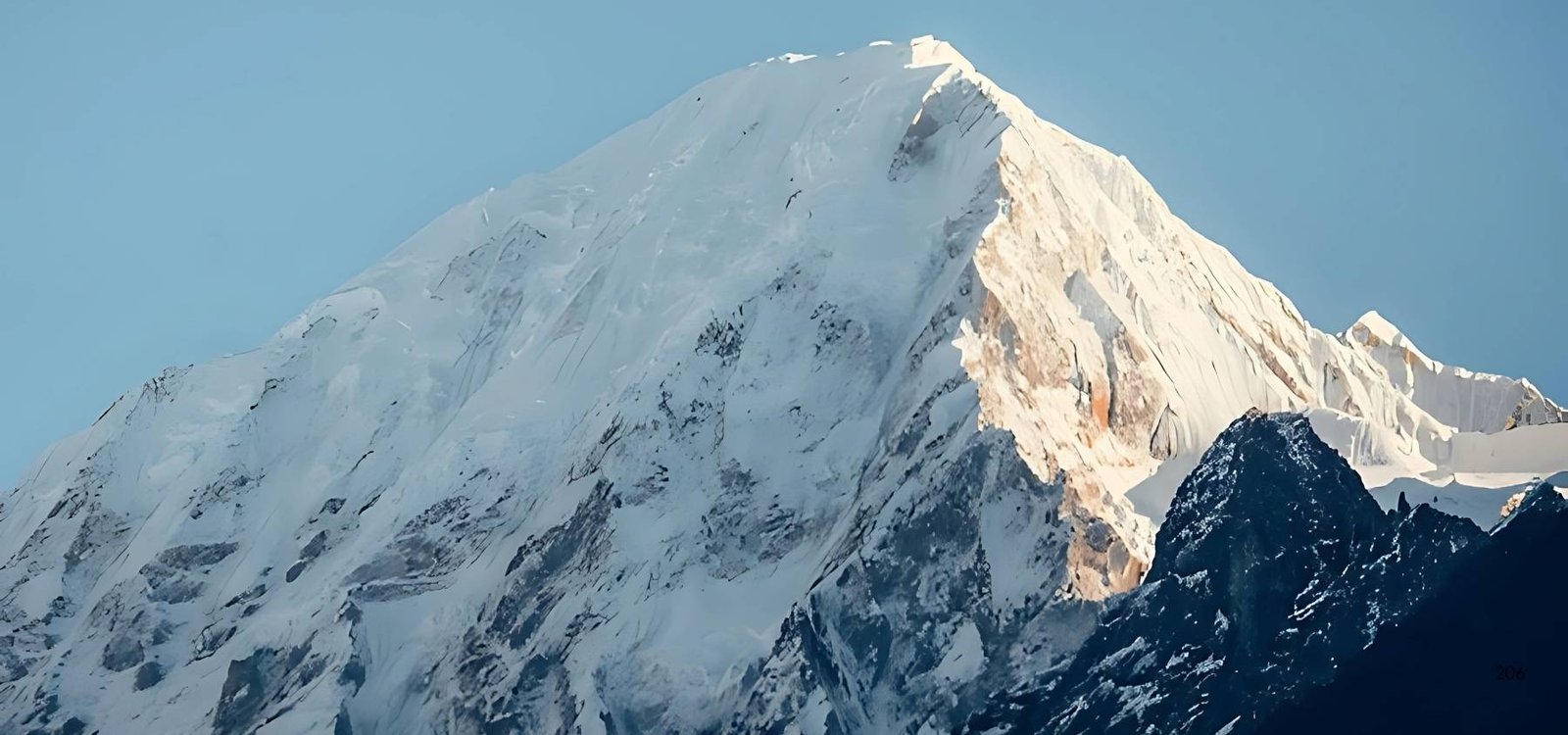
Trekkers embarking on the 32-day Himlung Himal Expedition can expect an adventurous and challenging journey through some of the most remote and stunning regions of Nepal, combining high-altitude trekking, glacier crossings, and technical climbing. Participants will experience awe-inspiring panoramic views of towering Himalayan peaks, traverse pristine valleys, and encounter unique cultural villages nestled in the Himalayas. The expedition offers a perfect blend of physical endurance, scenic beauty, and cultural immersion, culminating in the exhilarating achievement of summiting Himlung Himal (7,127 meters) under the guidance of experienced Sherpas and support staff.

Trip Highlights
  • Reaching the stunning base camp amidst dramatic glacier landscapes.
  • Crossing high mountain passes with sweeping views of the Himalayas.
  • Visiting traditional Tibetan-influenced villages and monasteries.
  • Climbing through challenging technical sections with expert Sherpa assistance.
  • Conquering the summit of Himlung Himal for a true Himalayan mountaineering achievement.
Itinerary

Day 1: Arrival in Kathmandu and transfer to the hotel (1,400m)

Upon arrival in Kathmandu, guests will be greeted and transferred to their designated hotel located at an altitude of approximately 1,400 meters. This initial transfer sets the foundation for a comfortable and seamless start to their trek experience. Overnight in the hotel.

Day 2: Rest in Kathmandu, Expedition briefing and Preparing

Guests will have the opportunity to rest and acclimate in Kathmandu. Additionally, a comprehensive expedition briefing will be conducted, during which essential information and preparatory details will be provided to ensure participants are fully equipped and ready for the upcoming journey. Overnight in the hotel.

Day 3: Drive from Kathmandu to Besi Shahar (760m)

Travel by road from Kathmandu to Besi Shahar, situated at an altitude of approximately 760 meters. This scenic drive marks the beginning of the trekking adventure, providing travelers with a glimpse of the diverse landscapes of the region. Overnight in the lodge.

Day 4: Drive from Besi Sahar to Koto (2,600m)

Travel by vehicle from Besi Shahar to Koto, located at an elevation of approximately 2,600 meters. This journey offers scenic views as you ascend into the mountainous terrain, preparing for the upcoming trek. Overnight in the lodge.

Day 5: Trek from Koto to Meta (3,560m)

Trek from Koto to Meta, situated at an altitude of approximately 3,560 meters. This segment of the journey takes you through breathtaking high-altitude landscapes, gradually acclimating you to the elevation. Overnight in the tent.

Day 6: Trek from Meta to Kyang (3,840m)

Trek from Meta to Kyang, located at approximately 3,840 meters elevation. This segment offers stunning panoramic views as you ascend through the mountain terrain to reach Kyang. Overnight in the tent.

Day 7: Trek from Kyang to Phu Gaun (3,900m)

Trek from Kyang to Phu Gaun, situated at approximately 3,900 meters elevation. This route takes you through scenic high-altitude landscapes, gradually ascending to Phu Gaun. Overnight in the tent.

Day 8: Acclimatization at Phu Gaun (rest day)

Acclimatization day at Phu Gaun (rest day) to help your body adjust to the high altitude and reduce the risk of altitude sickness. Overnight in the tent.

Day 9: Trek from Phu Gaun to Himlung base camp (4,900m)

Trek from Phu Gaun to Himlung Base Camp at approximately 4,900 meters, offering stunning mountain vistas and a gradual ascent into the high-altitude terrain. Overnight in the tent.

Day 10-20: Rotation: [Basecamp – Rotation (Camp I and Camp II) – Basecamp]

This describes a typical high-altitude expedition process, especially in mountaineering, known as a “rotation.”

  • Basecamp: The starting point where climbers prepare, acclimatize, and rest.
  • Rotation (Camp I and Camp II): Climbers make incremental ascents from Basecamp to higher camps (Camp I and Camp II) to acclimatize to the altitude, conduct training, and prepare for the final summit push.
  • Return to Basecamp: After the rotation, climbers return to Basecamp to rest and recover before the next ascent or summit attempt.

This process helps climbers gradually adapt to high altitudes, reduce the risk of altitude sickness, and increase their chances of a successful summit.

Overnight in the tent.

Day 21-26: Climbing Period: Base Camp – Himlung Summit (7,126m) – Basecamp

This describes the main phase of the mountaineering expedition focused on reaching the summit of Himlung Mountain.

  • Base Camp: The starting point where climbers prepare for their ascent.
  • Himlung Summit (7,126 meters): The goal of this climbing period is to reach the summit of Himlung Mountain, which is at an elevation of 7,126 meters above sea level.
  • Return to Basecamp: After attempting or reaching the summit, climbers descend back to Base Camp to rest and recover.

This period is dedicated to the actual climb from Base Camp to the summit and back, typically involving technical climbing, acclimatization, and safety procedures. 

Overnight in the tent.

Day 27: Trek from Basecamp to Meta (3,560m)

The trek involves walking or hiking from Basecamp to Meta, which is likely a village, lodge, or a notable waypoint at that elevation. This movement is part of the overall expedition route, possibly for acclimatization, logistics, or reaching a specific staging point for further climbing or exploration. Overnight in the lodge.

Day 28: Trek from Meta to Koto (2,600m)

Trekking from Meta to Koto involves traveling from a higher altitude (Meta at 3,560m) to a lower altitude (Koto at 2,600m), likely moving downhill or through varied terrain as part of the journey. Overnight in the lodge.

Day 29: Drive from Koto to Besisahar (760m)

Driving from Koto to Besisahar involves traveling from a higher elevation (Koto at 2,600m) down to a lower elevation (Besisahar at 760m), typically through winding mountain roads, offering scenic views as you descend into the valley. Overnight in the lodge.

Day 30: Drive from Besi Shahar to Kathmandu and transfer to the hotel

Driving from Besisahar to Kathmandu involves traveling from a lower elevation (760m) to a higher elevation (around 1,400m) in the capital city. After arriving in Kathmandu, you’ll transfer to your hotel to rest and prepare for your onward plans. Overnight in the hotel.

Day 31: Leisure Day in Kathmandu City

Leisure Day in Kathmandu City offers an opportunity to relax and explore at your own pace. You can visit local markets, enjoy traditional Nepali cuisine, explore nearby cultural sites, or simply relax at your hotel and soak in the vibrant atmosphere of the city. Overnight in the hotel.

Day 32: Transfer to the International Airport for final departure

Transfer to the International Airport for your final departure, concluding your trip. Safe travels!

Important Information
Know before you go
What to bring
Additional Notes

Best Time to Trek

Autumn (September to November): This is the most popular time due to clear skies, stable weather, and breathtaking mountain views, creating a festive and vibrant trekking atmosphere.
Spring (March to May): The trails burst with colorful rhododendrons and wildflowers, offering stunning scenery and moderate weather conditions.

Physical Preparation

Fitness Level: Prior hiking experience and regular cardiovascular, strength, and endurance training will enhance your trekking experience.
Medical Check-up: Consult your healthcare provider to ensure you are fit for high-altitude trekking and to discuss any personal health concerns.

Permits and Documentation

Ghale Treks will arrange all necessary official documents, including the Annapurna Conservation Area Permit (ACAP), Trekkers’ Information Management System (TIMS) card, and any other required entry tickets. Make sure your travel insurance covers high-altitude trekking and emergency evacuation.
Domestic air tickets will also be organized by Ghale Treks to facilitate your travel to and from Nepal.

Packing Essentials

Clothing: Pack layered clothing suitable for varying temperatures, along with a waterproof jacket and sturdy trekking boots.
Gear: Bring trekking poles, a reliable backpack, sleeping bag, and basic first aid supplies.
Personal Items: Sunscreen, sunglasses, a hat, toiletries, and any personal medications are recommended.

Accommodation and Meals

Lodging: Tea houses and lodges are available along the trail, with pre-booking advisable during peak seasons.
Food: Meals are provided at tea houses; carrying high-energy snacks can be helpful to supplement your diet during long trekking days.

Guides and Porters

Guides: Hiring a knowledgeable guide can enrich your trek with local insights and safety support.
Porters: If you prefer to lighten your load, porters are available to carry personal gear and supplies, making your trek more comfortable.

Cultural Sensitivity

Respect Local Customs: Dress modestly and be mindful of local traditions and religious sites.
Language: Learning basic Nepali phrases can foster goodwill and facilitate interactions with locals.

Health and Safety

Altitude Sickness: Be aware of symptoms such as headaches, nausea, and fatigue. Proper acclimatization and hydration are essential for safety.
Hydration: Drink plenty of water throughout the trek to stay well-hydrated and reduce altitude sickness risks.

Environmental Responsibility

Leave No Trace: Follow principles of responsible trekking by minimizing your environmental impact.
Waste Management: Carry out all trash and dispose of waste properly to help preserve the pristine Himalayan environment.

Packing for 32-dayHimlung Himal Expedition requires careful consideration to ensure you have everything you need while keeping your load manageable. Here’s a comprehensive packing list:

Clothing

  • Base Layers: Moisture-wicking shirts and thermal underwear for warmth and comfort.
  • Insulating Layers: Fleece or down jacket to retain heat in cold conditions.
  • Outer Layers: Waterproof and windproof jacket and pants to protect against weather.
  • Trekking Pants: Durable and quick-drying for trekking days.
  • T-shirts: Light, breathable, quick-dry T-shirts for daytime wear.
  • Underwear and Socks: Moisture-wicking and quick-drying to prevent blisters.
  • Hat and Gloves: Warm hat and insulated gloves for cold weather.
  • Sun Hat and Sunglasses: For sun protection at higher altitudes.

Footwear

  • Trekking Boots: Well-fitted, waterproof, and broken-in for comfort and support.
  • Camp Shoes: Lightweight shoes or sandals for evenings and rest stops.
  • Gaiters: To keep debris, snow, and mud out of your boots.

Gear

  • Backpack: 40-50 liters with a rain cover for your gear.
  • Sleeping Bag: Rated for cold temperatures (down to -10°C or lower).
  • Trekking Poles: Adjustable for stability on uneven terrain.
  • Headlamp: With extra batteries for night use.
  • Water Bottles or Hydration Bladder: To stay hydrated throughout the trek.
  • Water Purification Tablets: For safe drinking water.

Personal Items

  • First Aid Kit: Including band-aids, antiseptic, pain relievers, and personal medications.
  • Toiletries: Biodegradable soap, toothbrush, toothpaste, wet wipes, hand sanitizer.
  • Sunscreen and Lip Balm: High SPF to prevent sunburn.
  • Snacks: High-energy options such as nuts, dried fruits, energy bars.
  • Camera: To capture your adventure.

Documents and Money

  • Permits: Annapurna Conservation Area Permit (ACAP) and TIMS card (arranged by Ghale Treks).
  • Passport and Copies: Bring original and photocopies for identification.
  • Cash: Local currency for tips, small purchases, and emergencies.

Extras

  • Personal Documents: Travel insurance details, emergency contacts, and any necessary visas.
  • Portable Charger: For charging electronic devices on the go.
  • Journal and Pen: To document your journey.
  • Book or E-Reader: For entertainment during rest periods.

Environmental Responsibility

  • Reusable Bags: For waste collection and minimizing plastic use.
  • Leave No Trace: Follow eco-friendly principles to protect the environment.

This packing list ensures you’re well-prepared for the demands of the Himlung Himal Expedition while keeping environmental responsibility in mind.


  1. Altitude and Acclimatization:
    The Himlung Himal Expedition reaches high altitudes, with base camp and summit areas exceeding 5,000 meters (16,400 feet). Proper acclimatization is crucial; ascend gradually, and include rest days to allow your body to adjust. Watch for symptoms of altitude sickness—such as headache, nausea, dizziness, or shortness of breath—and descend if necessary to prevent serious health issues.

  2. Local Currency:
    The official currency is the Nepalese Rupee (NPR). While larger towns and Kathmandu have ATMs, some remote areas may lack cash withdrawal facilities. Carry sufficient cash for small purchases, tips, and emergency needs, as many tea houses and lodges do not accept credit cards.

  3. Connectivity:
    Mobile phone coverage varies—strong in towns and some villages but limited or unavailable in higher, remote regions. Consider purchasing a local SIM card for better connectivity when available. Wi-Fi access may be available in some lodges, but it can be slow and may require a fee.

  4. Photography Tips:
    The Himlung Himal area offers stunning vistas and unique landscapes. Always ask for permission before photographing locals or their property, especially during cultural or religious activities. Respect local customs and sensitivities while capturing images.

  5. Wildlife and Environment:
    The region is home to diverse flora and fauna, including Himalayan birds and occasional wildlife such as snow leopards or blue sheep in higher areas. Maintain a respectful distance, avoid disturbing animals, and follow Leave No Trace principles to protect the pristine environment.

  6. Cultural Etiquette:
    Show respect when visiting local villages, monasteries, and sacred sites. Greet locals with a polite “Namaste” (hands together in a prayer gesture). Dress modestly and seek permission before photographing people or religious objects.

  7. Emergency Contact Information:
    Keep a list of emergency contacts, including your trekking agency, local rescue services, and nearest medical facilities. It’s advisable to inform someone at home about your itinerary and expected check-in points.

  8. Food and Water Safety:
    Eat freshly prepared, hot meals at reputable tea houses. Be cautious with unboiled water and street food. Always use purified or bottled water to prevent waterborne illnesses. Carry water purification tablets or a portable filter.

  9. Fitness and Health Maintenance:
    Maintain a light daily activity, gentle stretching, or yoga to improve flexibility and prevent injuries. Prioritize nutrition—consume high-energy foods and hydrate well to sustain your energy levels at high altitudes.

  10. Group Dynamics:
    Effective communication with your trekking group enhances safety and enjoyment. Discuss daily plans, pace, and rest times. Support each other emotionally and physically, especially during challenging sections.

    By keeping these additional points in mind, you’ll be well-prepared for a safe, respectful, and memorable Himlung Himal Expedition. Ghale Treks will assist with all logistical arrangements, ensuring a smooth journey.
Location

Photos
Trip FAQs
GET HELP (HELP CENTER)

Frequently asked questions.

What documents do I need to bring for the Himlung Himal Expedition?

You must carry your valid passport with at least six months of validity, and original permits issued by Ghale Treks, including the Annapurna Conservation Area Permit (ACAP) and TIMS card. It’s advisable to keep photocopies of these documents separately. Travel insurance and emergency contact details are also recommended.

What is the weather like during the expedition, and what should I prepare for?

The weather varies greatly; temperatures can drop below freezing, especially at higher altitudes. Expect cold conditions, strong winds, and possible snow, particularly from late autumn to early spring. Pack appropriate layered clothing, including thermal wear, insulated jackets, and waterproof gear.

How do I handle high altitude sickness, and what precautions should I take?

Altitude sickness can affect anyone; symptoms include headache, nausea, dizziness, and fatigue. Ascend gradually, stay hydrated, and include rest days for acclimatization. If symptoms worsen, descend immediately and seek medical help. Ghale Treks provides guidance and support throughout the trip.

Is travel insurance necessary, and what should it cover?

Yes, comprehensive travel insurance is highly recommended. It should cover emergency evacuation, helicopter rescue, medical treatment at high altitudes, and trip cancellations. Check that your policy covers high-altitude trekking and related activities.

What emergency assistance is available during the trek?

Ghale Treks arranges support with guides trained in high-altitude rescue. In case of emergency, evacuation can be arranged via helicopter or ground rescue depending on the situation. It’s important to carry a mobile phone with a local SIM card or satellite communication device if possible.

1 Review
Sort By:RatingDate

H. Takeda

Solo Traveller

My experience with Ghale Treks & Expedition for the Himlung Himal Expedition in 2015 was absolutely amazing. From the start, the team made everything so smooth and worry-free. Our guide was fantastic – friendly, knowledgeable, and always there to support us, especially during the tougher parts of the climb. His encouragement really kept us going.

The logistics and services provided by Ghale Treks were top-notch. The food was good, the equipment was reliable, and the accommodations were better than I expected for a mountain expedition. The scenery was breathtaking, and I feel incredibly lucky to have had this adventure.

Overall, I can’t thank Ghale Treks enough for making this trip memorable. If you’re thinking about an Himalayan trek or expedition, I highly recommend them. It was truly a life-changing experience for me!
March 29, 2015
1 travellers are considering this tour right now!
From$15,500$15,000
Book Now